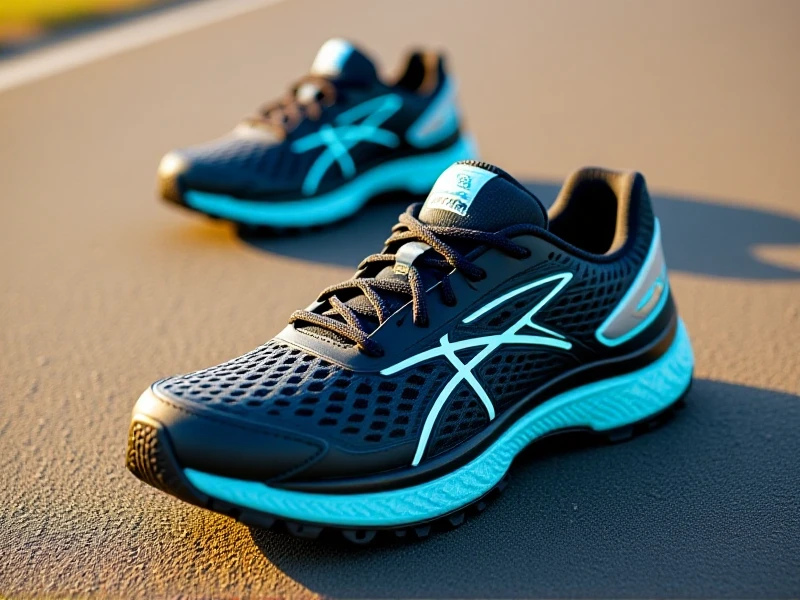
Ultimate Guide to Choosing the Best Running Shoes for Your Workout
Running shoes are essential for anyone who hits the pavement, trails, or treadmill regularly. They're not just fashion statements—they can enhance performance, prevent injuries, and make every mile more enjoyable. With so many types of running shoes out there, finding the perfect pair can feel overwhelming. Let's break it down step by step to help you make an informed choice that fits your unique needs.
First and foremost, understand the basic categories: neutral shoes for runners with a natural stride and balanced pronation, stability shoes for those with mild to moderate overpronation, and motion control versions for severer issues. Choosing the right type depends on your foot mechanics, which a gait analysis at a specialty store can reveal. Factors like running surface matter too—for instance, road shoes offer cushioning for hard surfaces, while trail running shoes provide extra grip and protection on rugged paths. Brands like Brooks, ASICS, and Saucony are popular for their adaptable designs, but focus on how a pair feels during a test jog rather than just the label.
When selecting running shoes, key features include adequate cushioning to absorb impact, a supportive midsole that caters to your arch type, and a breathable upper to keep feet cool. Consider your running goals: if you log long distances, opt for max-cushioned models; for speed sessions, lightweight, responsive options may boost efficiency. Always try shoes on late in the day when feet are slightly swollen, wear your regular running socks, and leave a thumb's width of space at the toe. Benefits like reduced risk of shin splints or improved energy return make this investment worthwhile.
Upgrade your gear today to elevate your routine. Remember, the best running shoes empower you to run farther and faster—without skipping a beat. For more advice, consult a trusted retailer and lace up for success.