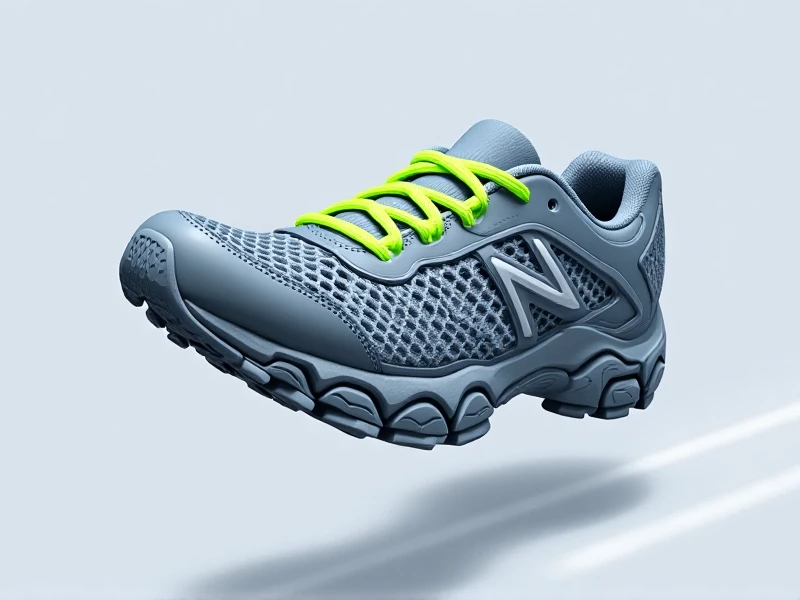
Choosing the Perfect Running Shoes: Your Guide to Injury-Free Performance
Running isn't just a hobby—it's a fantastic way to boost your fitness, reduce stress, and stay healthy. But without the right gear, it can lead to discomfort or even injuries, like shin splints or knee pain. That's where the importance of selecting the best running shoes comes in. These specialized shoes are designed to support your feet, absorb shock, and enhance your overall running experience. In this guide, I'll walk you through everything you need to know to find your ideal pair and take your runs to the next level without any hiccups.
First off, why focus on running shoes specifically? Well, they're engineered with features tailored for different terrains and foot types. If your shoes don't provide adequate cushioning or support, you could end up with blisters or long-term issues. For instance, if you're a heel striker on asphalt roads, a pair with extra padding in the midsole can be a game-changer. Or if you're tackling trails, a shoe with rugged outsoles offers better grip and stability. Knowing your running style is key—whether you're a casual jogger or a marathon enthusiast, the wrong choice can slow you down.
How do you pick the perfect running shoes? Start by understanding your foot arch. If you have flat feet, look for stability shoes that prevent overpronation, while high-arched runners benefit from neutral or cushioned options that distribute impact evenly. Next, consider the surface. Road running shoes typically have softer foam for smooth surfaces, while trail runners boast tougher builds with lugs for uneven grounds. Also, factor in weight and fit. Go for lightweight pairs to boost speed, but ensure they have a snug, breathable upper to avoid chafing—after all, comfort is king for long distances. Brands like Nike, Adidas, and Brooks offer diverse ranges; trying samples in-store can help you feel the difference.
Beyond purchase, maintaining your running shoes is crucial for longevity. Rotate them with another pair to wear patterns evenly and wash them gently to remove dirt. Aim to replace them every 300-500 miles, as worn-out cushioning loses effectiveness over time. By investing in well-suited running shoes, you'll not only prevent injuries but enjoy each run more. Ready to lace up? Consult experts at your local sports store or browse our site for personalized tips. Happy strides!