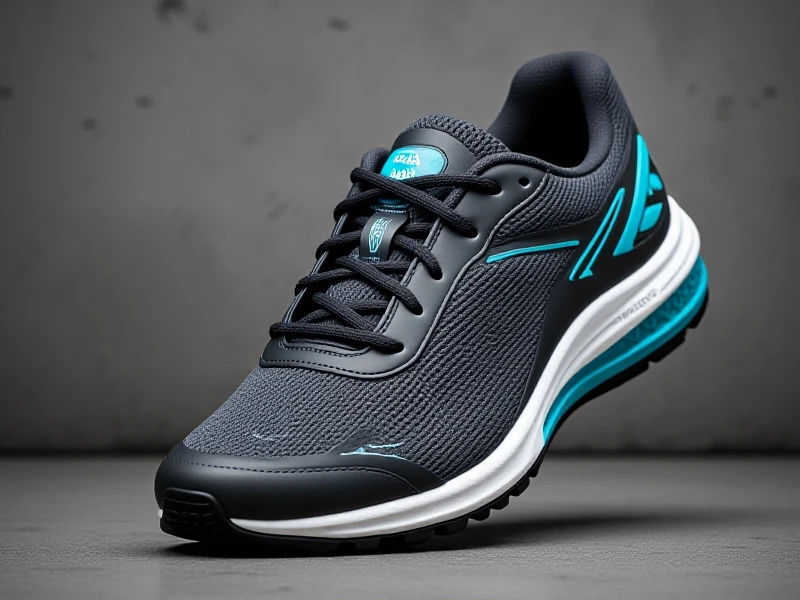
Discover Your Stride: The Ultimate Guide to Choosing Running Shoes
Finding the perfect pair of running shoes is more than just a purchase; it's about unlocking your potential stride after stride, mile after mile. Whether you're training for your first 5K, chasing a marathon personal best, or simply enjoying daily miles for fitness, the Running Shoes you select are your most crucial piece of equipment.
The vast world of Running Shoes can feel overwhelming. Brands constantly innovate, introducing new cushioning technologies, lighter materials, and specialized designs. Yet, the core factors determining your ideal shoe remain consistent: your foot type, running gait, preferred terrain, and the distances you typically cover.
Understanding your Foot Type and Gait is the essential first step. Do you have high arches that naturally supinate (roll outward)? Or perhaps your feet tend to overpronate (roll inward significantly upon landing)? Many runners fall into a neutral category. Observing the wear pattern on your older shoes or visiting a specialty running store for a gait analysis provides invaluable insights. This knowledge directly impacts the level of stability or motion control you might need in your next pair of Running Shoes.
Cushioning Level is another key variable. Do you crave a cloud-like, plush feel for superior shock absorption on long runs? Or do you prefer a firmer, more responsive ride that promotes ground contact and energy return? Advances in foam technologies offer a wide spectrum, from ultra-soft max-cushion options to lightweight, minimalist designs. There's no universal "best" cushioning – it's about matching your personal preference and comfort needs.
Shoe Type matters greatly based on your Running Habits:
- Road Running Shoes: Designed for paved surfaces, featuring durable rubber outsoles optimized for asphalt and concrete. Choose cushioning based on your preference and distance.
- Trail Running Shoes: Built for off-road adventures, featuring aggressive lugs for grip on dirt, mud, rocks, and roots. They often include rock plates for protection and enhanced stability for uneven surfaces. More robust uppers protect against debris.
- Racing Flats & Lightweight Trainers: For speedwork and race days, sacrificing some cushioning for significant weight reduction, boosting efficiency. Best for faster runners or shorter distances.
- Stability & Motion Control Shoes: Incorporate firmer materials or specific geometries (like medial posts) to help manage overpronation and promote a more neutral stride.
Don't underestimate the importance of the Perfect Fit. Go shoe shopping later in the day when feet are naturally larger. Wear your running socks and ensure there's adequate space (about a thumbnail's width) beyond your longest toe. Your heel should be secure without slippage, and the midfoot should feel comfortably snug, not constricting. Always try both shoes and jog around the store if possible.
Investing time to find the right Running Shoes tailored to your unique needs pays immense dividends. The correct pair enhances comfort, boosts performance potential, and significantly reduces your risk of common running injuries like shin splints, plantar fasciitis, or knee pain. Research reviews, consider your specific needs, get expert advice from specialty stores if possible, and lace up. The right shoes empower every step on your journey, helping you discover your best stride and step into your next great run with confidence. Find what makes your feet happy.